The History Behind Collectible Coins: Why It's More Than Just Metal
Collectible coins are more than just old pieces of metal. They're tiny stories from the past you can hold in your hand.
Whether minted thousands of years ago or just a century back, each coin carries secrets about the people, places, and events that shaped its time. If you've ever wondered why some coins catch collectors' eyes or what makes these little objects worth far more than their weight, this guide will take you through their fascinating origins.
Many collectible coins, such as the Morgan silver dollar minted between 1878 and 1921, exemplify important periods in monetary history. They showcase the craftsmanship of renowned engravers like George T. Morgan, making them valuable not only for their metal content but also for their historical and artistic significance.
Whether you're interested in rare numismatic pieces or seeking certified investment-grade coins in Waukesha, WI, understanding this history helps you make informed decisions about building a meaningful collection.
The Fascinating Origins of Collectible Coins
Where It All Began
The story begins around 650 BCE in Lydia, located in what is modern-day Turkey. Here, the first known coins were struck from electrum, a naturally occurring alloy of gold and silver.
These early pieces were more than mere money. They bore distinctive designs representing city-states or rulers, setting a precedent for the artistic value that coins would carry throughout history.
Ancient Greece and Rome
Moving forward to ancient Greece and Rome, coin minting evolved dramatically in sophistication and scale.
Greek city-states developed beautiful coins like the famous Athenian owl tetradrachm, which showed meticulous detail and high silver purity. Meanwhile, Roman denarii circulated widely across the empire, often depicting emperors and mythological scenes that reinforced their authority.
It was during this era that coin collecting began to take shape not only as a financial activity but as a noble pursuit. Even emperors themselves engaged in assembling collections. Roman Emperor Augustus amassed various coins from across the empire not just as currency but as trophies reflecting his reach and status.
Understanding these origins helps collectors today appreciate why certain coins carry such immense historical significance beyond their monetary value.
The Evolution of Coin Collecting
From Nobility to Mainstream Hobby
Coin collecting didn't simply spring into existence as a casual pastime. The origins stretch deep into history, shaped by culture, wealth, and intellectual curiosity.
The Renaissance period stands out as a major turning point. European nobility began collecting Roman coins not only for their precious metals but also for their artistic beauty and historical importance. This wasn't mere hoarding. It was the birth of numismatics, the formal study and collection of money in all its forms.
Specialization and Standardization
From the Renaissance onward, collecting became more structured. Instead of amassing any coins at random, collectors began specializing:
Historical eras (Roman, Greek, Medieval)
Geographic regions (American, European, Asian)
Specific types (commemoratives, errors, bullion)
Particular series (Morgan dollars, Buffalo nickels)
The 19th century ushered in another wave of important developments. Printed coin catalogs made information accessible beyond scholarly circles. As middle-class interest grew, so did the demand for authenticity and standardization.
Grading scales emerged to assign coins' condition values objectively. This became a crucial element influencing both collector enthusiasm and market price.
Modern Collecting Tools
Contemporary collectors benefit from resources like the "Red Book," officially titled Guide Book of United States Coins. Valuation practices advanced further with grading services such as PCGS providing expert authentication and transparent market pricing.
Coin collections go beyond monetary worth. They are repositories of personal stories and historical memory. Many who collect family heirlooms or inherited sets find themselves custodians not just of metal disks but of legacy, connecting generations through shared passion.
"Collecting coins isn't about possessing treasures; it's about preserving stories etched in metal."
The Types of Collectible Coins
Ancient Coins
These are truly links to our distant past. Dating back thousands of years, they originated from some of the world's earliest civilizations like the Greeks, Romans, and Egyptians.
Their value isn't just monetary. It's a tangible connection to history. For example, owning a Greek drachma minted during Alexander the Great's reign is like holding a piece of antiquity shaped by one of history's greatest conquerors.
Commemorative Coins
These represent moments meant to be remembered forever. Issued by governments to mark significant historical milestones or honor notable individuals, their limited mintage adds to their rarity and collectibility.
Consider the 1969 Apollo 11 moon landing coin. It's not just metal and image, but a celebration of human achievement that collectors cherish for both its symbolism and scarcity.
Bullion Coins
These merge the worlds of artistry and investment. Made from gold, silver, platinum, or other precious metals, these coins are prized not only for their designs but also for intrinsic value tied to fluctuating metal markets.
The American Gold Eagle is widely recognized in this space, known for its striking design and reliable metal content.
Other Popular Categories
Error Coins: Accidental quirks that can skyrocket a coin's value
World Coins: Allowing collectors to explore global history through currency
Modern Proof Coins: Minted with special care for exceptional detail and shine
At Costa's Fine Jewelry and Coins, our experts can help you identify which coin categories align with your collecting goals and budget. Whether you're drawn to the historical significance of ancient coins or the investment potential of bullion, we'll guide you toward pieces that match your interests.
Where to Find Rare Coins
Online Platforms
Today, the hunt for rare coins starts online more often than not. Websites such as eBay, Heritage Auctions, and dedicated numismatic platforms showcase thousands of coins from every era and region.
Because the market is vast and sometimes unscrupulous, validating the authenticity of sellers is essential. Look for:
Established dealers with strong ratings
Verified reviews and testimonials
Clear policies on returns or grading certifications
PCGS or NGC certification numbers
Local Coin Shops
Local coin shops remain treasure troves for collectors at all levels. These shops offer a unique blend of personal interaction and expert advice, often revealing hidden gems among their collections that might not surface online.
Cultivating a relationship with a local shop owner can open doors to private sales or early access on new acquisitions. Their experience frequently helps novices understand grading nuances and fair pricing.
For Waukesha area collectors, Costa's Fine Jewelry and Coins offers the personal service and expertise that online platforms simply can't match. Visit our showroom to examine coins in person, ask questions, and receive honest appraisals from our GIA-certified team.
Coin Collecting as a Cultural Journey
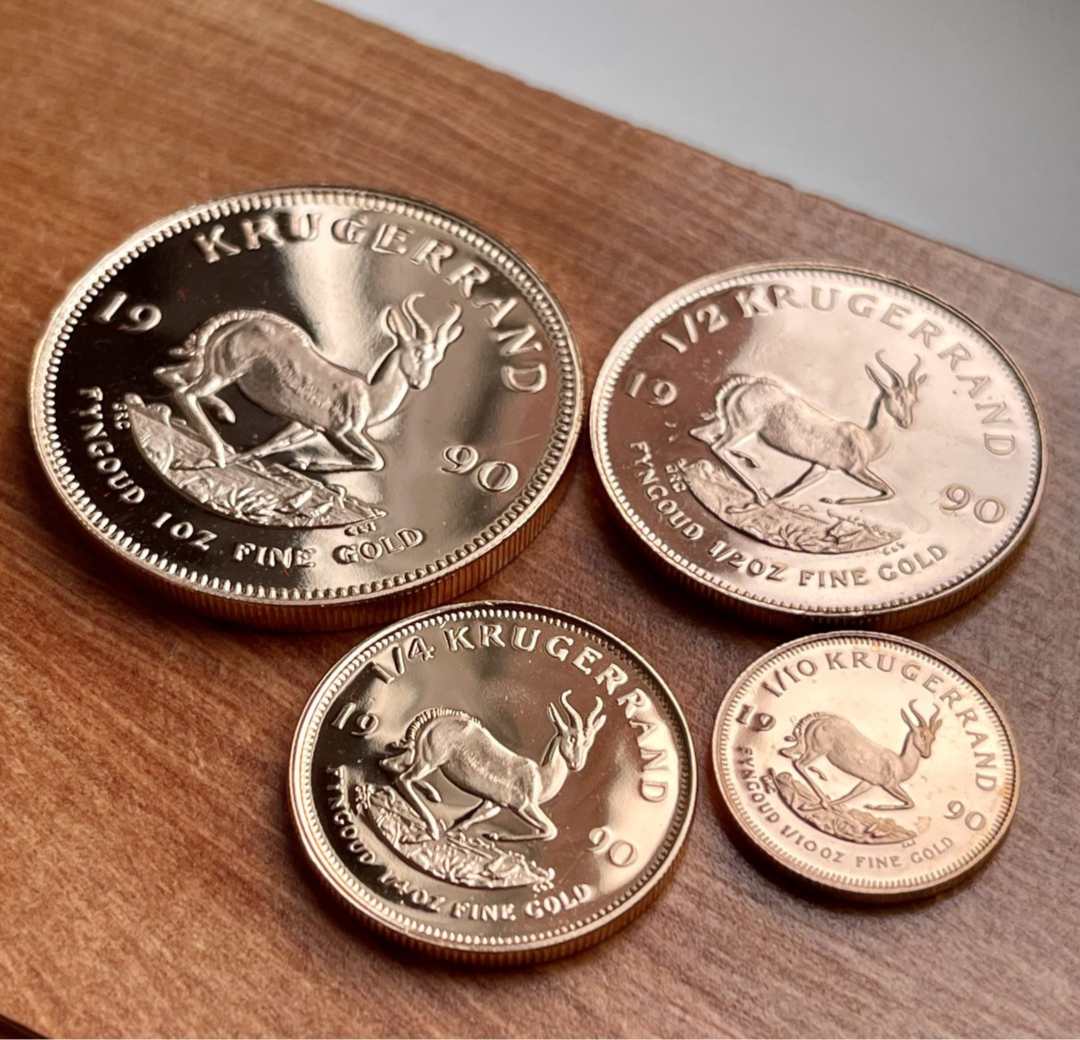
Coin collecting is far more than an exercise in accumulating precious metals or chasing market values. It is an immersive cultural journey that reveals the stories and ideologies of civilizations long past and still resonant today.
Every coin functions as a miniature historical document, reflecting the art, politics, economy, and beliefs of its time.
Connecting Generations
When you hold a coin like the Morgan silver dollar, minted from 1878 to 1921, you are touching a moment in American history shaped by industrial progress and expanding frontiers. It carries the imprint of George T. Morgan's artistry and a minting tradition spread across multiple U.S. mints.
Many collectors experience their hobby as a bridge between generations. When inheriting coins from relatives, these artifacts become tangible family heirlooms imbued with memories and emotions. This connection magnifies the value one places on coins, not just in dollars but in legacy and identity.
If you're ready to start your own collection, learn more about coin collecting basics to make informed investment decisions.
Start Your Coin Collecting Journey at Waukesha's Trusted Coin Shop
Whether you're building an investment portfolio or preserving a family legacy, Costa's Fine Jewelry and Coins is here to guide you.
As a trusted Waukesha coin shop, we offer personalized consultations, transparent appraisals, and expert authentication. Our curated selection includes Morgan silver dollars and rare investment-grade pieces.
Visit us at 2450 N Grandview Blvd in Waukesha, call (262) 549-5512, or contact us today for a free consultation.


